The period when Professor Dr. Abdul Razzaq Al-Issa assumed the Ministry of Higher Education and Scientific Research represented an exceptional era. He was not merely an executive official, but a pioneering scientific and academic figure, refined by years of continuous work since obtaining his doctorate in organic chemistry from the University of Liverpool in Britain, followed by a rich teaching and research career. His leadership experience was particularly evident during his presidency of the University of Kufa, which witnessed tangible advancement under his leadership, in addition to his work as a cultural attaché in London, which gave him an advanced international vision. Al-Issa was also known as a model of independent technocrat leadership, successfully managing the Ministry of Finance in an acting capacity alongside his ministerial portfolio, adhering to principles of integrity and transparency in the darkest political circumstances. With his great humility and distance from party factionalism, he remained always open to change, possessing a high ability to motivate university leadership to achieve common goals.
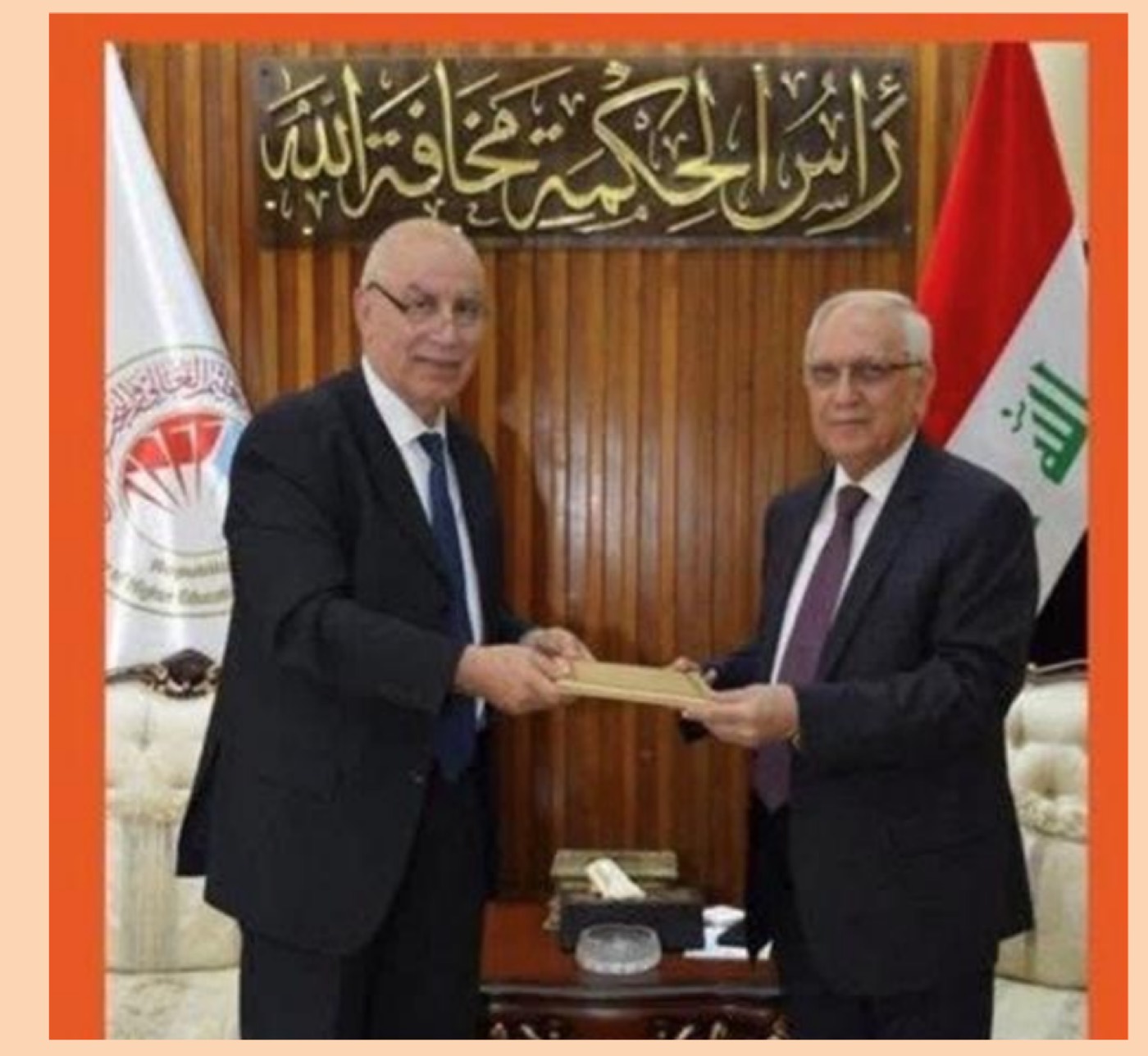
During that period, I spent long periods in Iraq, with my visits extending for several weeks. I moved between family homes that opened their doors with love, staying with my brother Amer in Eastern Karrada—that noble 'industrialist' who embodied Iraqi kindness in its most beautiful forms. Amer paid a heavy price for his uncompromising integrity, losing the factory he built with his own effort, and forced to leave his flourishing home in Baghdad following ruthless terrorist threats. Despite the weight of health difficulties that followed, affecting over time his cheerful spirit and warm paternal tone, he remained that refuge overflowing with love. In his home, I found a reassurance and safety rarely seen, where he and his wife 'Al-Midhafa' welcomed me with their customary generosity, and my happiness was complete with the company of their children: Ali, Mohamed, Zainab, and Hanin, in a family atmosphere filled with the most delicious Iraqi dishes redolent with the aroma of affection and loyalty. I also spent equally enjoyable time in 'Al-Sayyidiyah' with my sister Sawsan and her husband, my cousin, retired Colonel Salah—a man who carries in his features the dignity of original Iraqi military bearing, proud of his service career and professional history. Often, our shared love for watching football and discussions blending memories of discipline with his bitter complaints—as a passionate nationalist—about the corruption that spread in recent years, his words reflecting the anguish of a son of the institution who accepts no alternative to integrity.
In their home, with their children Anmar, Shams, Noor, and Zahra, I found a warm space of affection, where these gatherings brought the family together and saved me the trouble of arranging appointments with other family members—the children of my late brother Zuhair, and with my brother Hussein and his family. Hussein who devoted his life and mind to research and development, becoming a brilliant agricultural researcher who left an indelible scientific mark on Iraq's agricultural record through his dedication and research creativity. My heart aches when I remember that this honest scientist, who gave the best years of his life to science and homeland, did not receive the recognition he deserved in the 'new era'—that era following the years of dictatorship, which did not open its doors to scientists and the devoted, but was flooded with corruption and favoritism at the expense of true competencies.
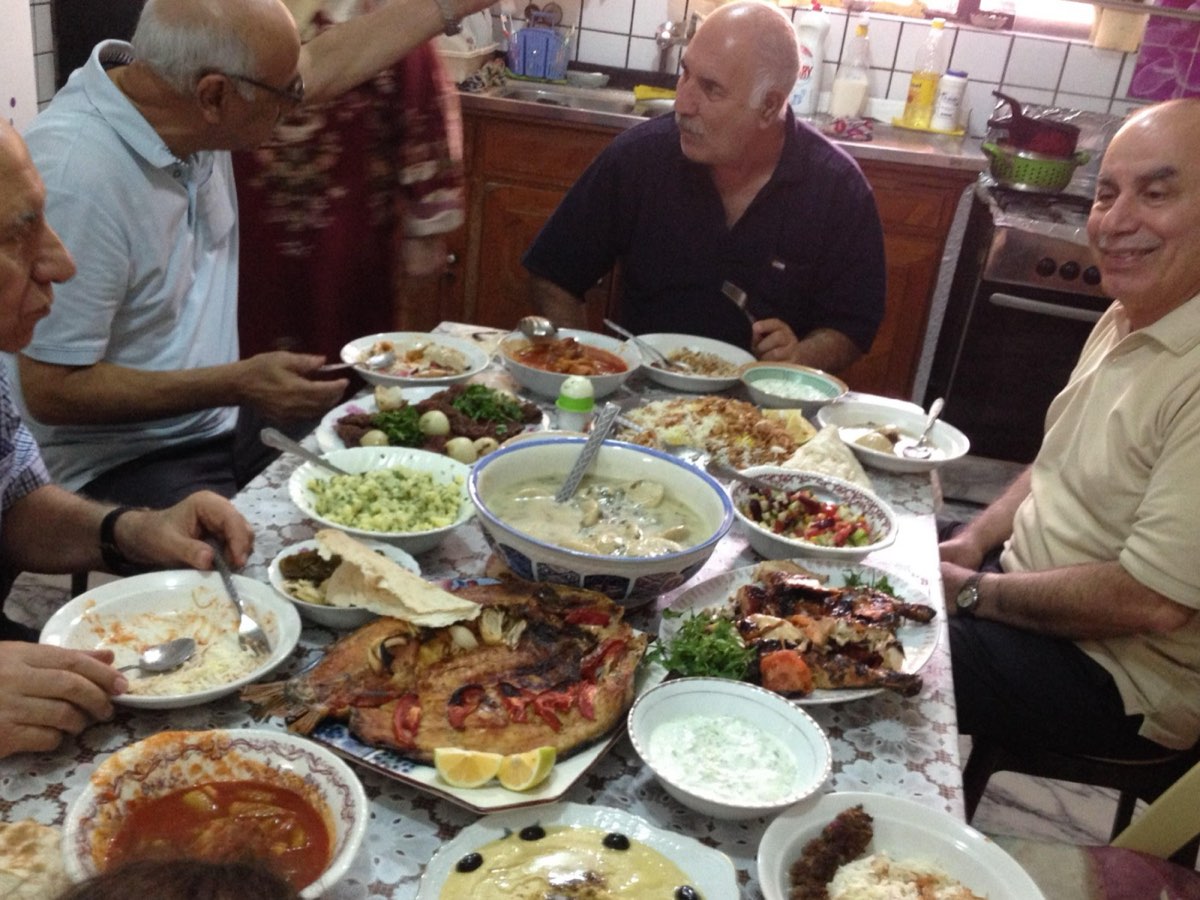
Those gatherings and hours gave me moments of serenity and joy, and warm family atmospheres that I greatly miss today.
My academic and professional schedule was the main guide for my long trips to Iraq. My presence there was not merely social visits, but a continuous series of consulting and evaluation tasks distributed between Baghdad, Erbil, and other cities. While I resided in Erbil as a guest of 'Cihan University' and its Board Chairman Dr. Nozad Yahya Bajakr, and the university president Professor Dr. Amjad Saber Al-Dulwi, I was simultaneously touring government universities at the request of Dr. Abdul Razzaq Al-Issa, fully dedicated to conducting precise institutional reviews, including evaluating education quality, developing curricula, and surveying academic performance efficiency, in what was the first attempt to provide a comprehensive reform roadmap for higher education in Iraq.
During my stay in Baghdad, I met with Minister Abdul Razzaq almost every day, and often had breakfast with him in his simple room attached to his office, which he used for overnight stays while at the ministry. I would seize this opportunity to present my proposals and hear his opinions, positions, and measures, discussing issues concerning education and universities. These meetings were short but intensive, and I always wished for a longer opportunity to talk with him—not only because they were stimulating, but because I wanted to present my ideas and opinions in more detail, but his busy schedule prevented that. Soon, his office director, the virtuous Dr. Zainab Al-Sultani, would enter to remind him of his next appointment.
I would spend several days at each university, digging into records, studying conditions, and meeting with the university president, deans, faculty, and students according to a tightly scheduled timetable I sent to the university before my visit. I was surprised by the lack of information and the superficiality of what was available compared to what is usually available in Western universities, and by the weak academic structure, weak curricula, weak strategic planning, lack of transparency and accountability, inefficient management of human and financial resources, lack of basic facilities such as libraries and laboratories, lack of an appropriate learning environment for students, and weak funding and support for scientific research. What amazed me most was the great similarity in the conditions of universities and their curricula, and in every aspect of their affairs, such that I described them as branches of a single university I called "The Ministry of Higher Education." On the other hand, I closely sensed the intimate participation from university presidents, administrators, and faculty, and their clear commitment to the process and eagerness to make it succeed. Through this, good relations and friendships were established with many administrators and academics of these universities.
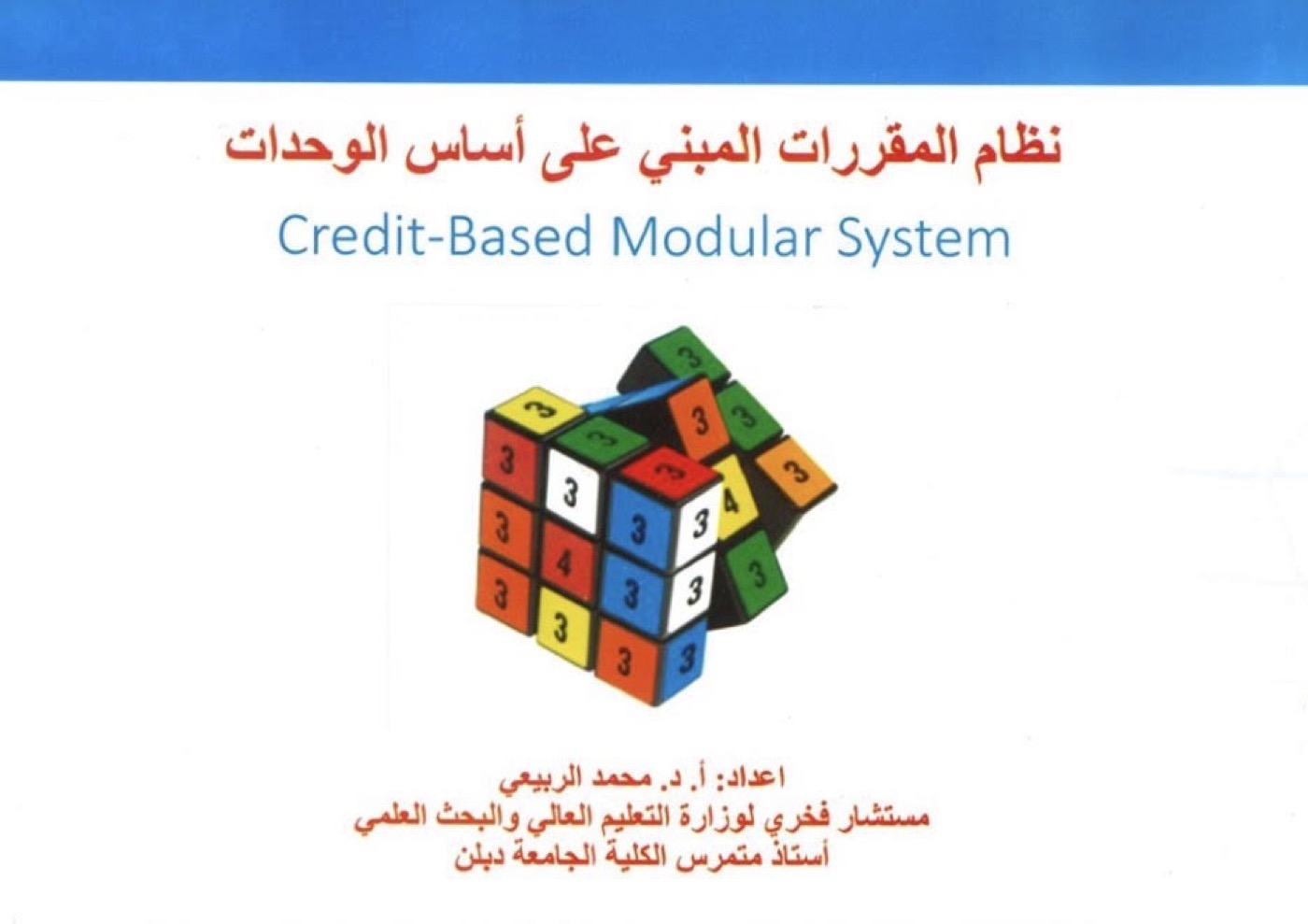
During that period, I was occupied with attempts to transfer and localize the "Bologna Process" to suit Iraqi universities. This work culminated in a comprehensive project I called the "Module-Based Course System," which was approved by the ministry's opinion body, with a proposal to implement it as an experiment in four universities. Strangely, I did not call it the "Bologna System" for fear of rejection as a Western system unsuitable for the current situation in Iraq, especially since many ignorant and closed-minded people fight any change or reform fearing the new that they do not understand. How wrong I was! Years later, it was re-imposed under the name "Bologna Path" by the ministry of Dr. Na'im Al-Aboudi after modifications that emptied the system of its important and essential aspects, neglecting a number of other accompanying aspects I had proposed.
I wrote a booklet and several articles about the new system, and conducted several workshops to explain and simplify it for academic leadership. Despite this, the system was not understood by faculty bodies or administrative leadership, and opinions varied from supporters to opponents. The conflict continues around it even after its pale form was imposed on universities by the ministry of Na'im Al-Aboudi, where its content was postponed and its essence neglected—it was only applied as a semester system and units similar to each course as before, with some unimportant procedures.
Still fresh in my memory are those intensive workshops and meetings of the opinion body regarding the formulation of the higher education law—those efforts that continued for months to prepare the final draft of the law and send it to the State Council, before it was later withdrawn during the tenure of Minister Qusay Al-Suhail. I also clearly recall those regulations and standards legislated at that time for appointing deans based on competence and integrity—an experience that actually resulted in the appointment of more than 150 deans according to those foundations, before it was later abolished.
My activities continued during that period, especially through the Advisory Council formed by the minister, whose varied tasks included identifying market needs for specializations for adoption in curricula. These activities culminated in the minister's and ministry's approval of granting autonomy to the University of Technology. This was one of the most important endeavors I began in 2003, writing extensively about it and setting a number of conditions and features at the institutional, academic, and financial levels. In those days, I participated in ministry meetings with the university, and was keen to highlight the advantages and criteria of autonomy, emphasizing the importance of involving faculty members in the decision-making process. I paid great attention to clarifying what autonomy would mean for administrative leadership in terms of real positives and practical opportunities for the university. I tried to adapt the concept of autonomy to suit their administrative and academic reality, hoping to create a positive response toward it. However, I sensed resistance from many leaders, led by the university president, who were accustomed to receiving central orders, creating a kind of hesitation toward bearing the responsibility of independent decision-making.
But matters did not proceed satisfactorily for me; ultimately, the main elements granting true autonomy to the university were reduced, including the powers granted to the university. The ministry was allowed to exercise its interventions and control over the university's funds and administration as desired by ministry employees. I evaluated the experience several months after autonomy, and I remember frankly saying that I saw no effectiveness, procedure, or development related to autonomy or its practices, apart from accepting "independent" students.
According to university officials, most of the powers granted by the ministry—whether to the university president or its council—were non-substantive powers already in the hands of the president and council, and the ministry's supervisory apparatus granted no real autonomy to the university. What was even worse was that the administrative leadership did not understand the meaning and concept of autonomy and its difference from decentralization, and was not enthusiastic about leading the university on this path. Thus, the experiment failed and my efforts were wasted, and Minister Abdul Razzaq Al-Issa's wishes remained confined to hopes.
One of my unsuccessful attempts to reorganize the administrative and academic structure of Iraqi universities was trying to reorganize colleges and departments on sound administrative grounds—merging similar colleges and departments, eliminating those without a job market or those exceeding need, reducing the number of administrators from deans and department heads, accompanied by rationalizing expenditures and relying on economic experts for financial policy formulation. In most global universities, the number of colleges does not exceed 5-10, while in Iraqi universities it reaches 20-30 colleges. It is common in global universities that fewer colleges improve university management, raise academic efficiency, and lower costs.
I felt the importance of merging similar specializations, and saw its importance through its compatibility with the module-based course system that was intended to be applied in Iraqi universities, because it facilitates teaching courses from a central unit for all scientific programs in the university, and facilitates building and teaching courses within this system. Naturally, most colleges and departments opposed this change, and from that I understood that personal interests and high administrative positions cannot be sacrificed, as they represent for the ruling parties and leadership a means of rewarding their supporters, winning them over, and tightening control over education.
This period witnessed a strengthening of my professional ties with a wide range of ministerial leadership and university presidents, as field visits and intensive meetings provided opportunities for in-depth dialogue about our common concern: the reality of higher education and prospects for its reform.
Among those personalities who left a clear mark on me, Dr. Fouad Qasim Mohammed, the deputy minister, stands out—a rare model of combining scientific rigor and administrative competence. Dr. Fouad was not merely an official in the educational authority hierarchy, but a true supporter working diligently to remove obstacles and facilitate my tasks, understanding with high sensitivity the nature of challenges facing university leadership, and showing tangible sympathy and support for the developmental ideas I proposed.
This relationship coincided with my involvement in a diligent institutional effort to formulate the regulations for the module-based course system, through a committee of elites that included scientific and administrative figures characterized by competence and harmony: Dr. Suhail Najm, Dr. Osama Fadhel Abdul Latif, Dr. Fawzi Hamed Al-Hiti, Dr. Ala'a Abdul Hassan, and Dr. Ala'a Al-Ani. I must also mention my wonderful friend Dr. Abdul Hussein Ghanem Sakhi, who played a pivotal role and took the initiative in proposing this system and supporting its application—truly the driving force behind this qualitative transformation.
The Period of Nabil Abdul Sahib's Tenure as Minister
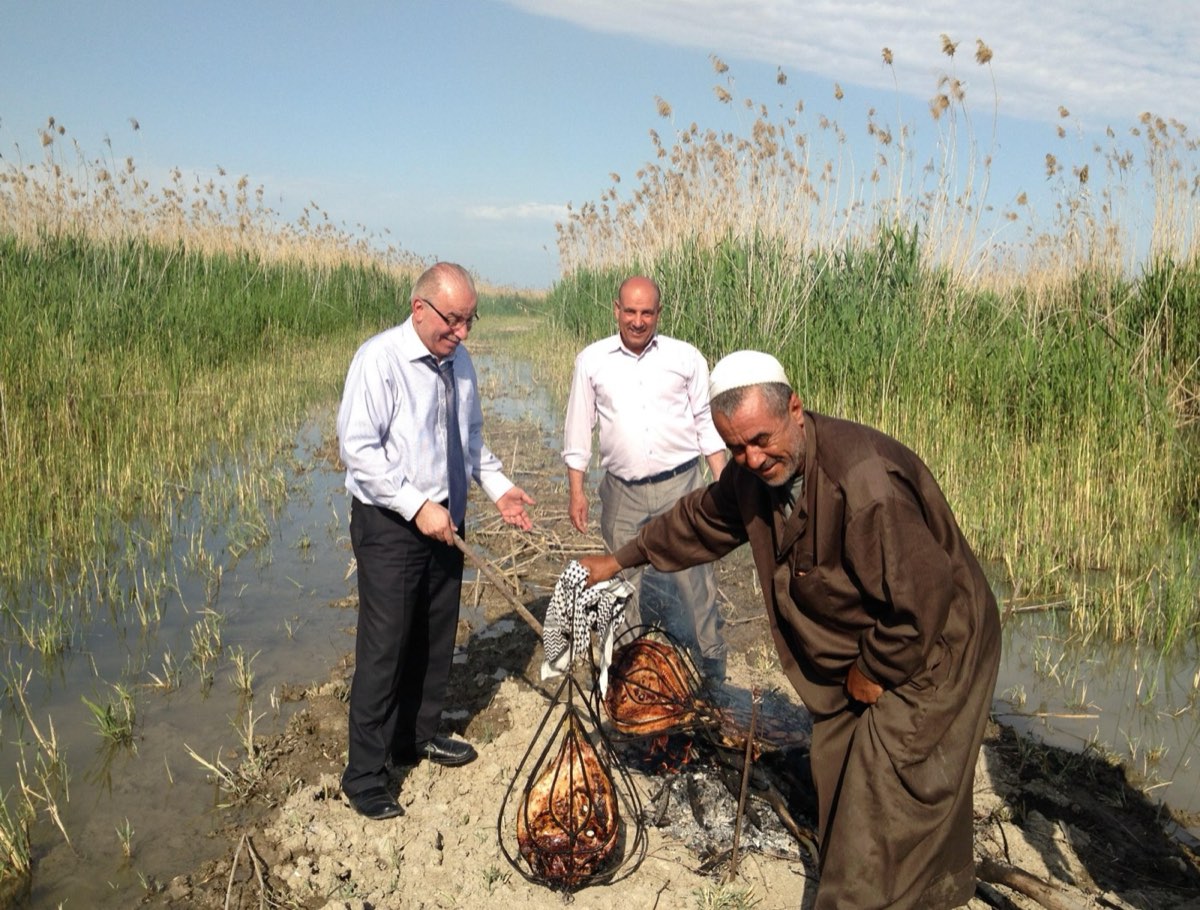
I had known Dr. Nabil for a long time before his ministry, and we had a good relationship based on mutual respect. I always made a point of contacting him during my visits to Iraq. I remember with pride my special visit to him when he was president of the University of Dhi Qar. The trip was not limited to the academic aspect and giving lectures, but included a rich cultural experience—visiting the marshes, enjoying the authentic "Masgouf" fish dish, and standing reverently before the Ziggurat of Ur, that Sumerian monument considered one of the world's oldest temples and most influential in ancient architectural arts.
However, this relationship did not translate into effective consulting cooperation after he assumed the ministerial portfolio. Unlike previous stages, I did not find sufficient space to contribute to decision-making or influence educational policies, and most of my proposals remained confined to official correspondence without finding their way to implementation or serious discussion.
At the beginning of his ministerial tenure, I was optimistic about what I read in his interview with Al-Sabah newspaper, where he presented ambitious goals and clear policies for developing the administrative and academic reality. Based on that, I congratulated him on those "twelve goals" he announced, hoping the ministry would witness a qualitative leap matching regional and international standards. However, the practical experience and field reality over time showed a large gap between those announced promises and what was actually achieved on the ground, with fundamental problems remaining without significant radical treatments.
My focus in the vision I presented to the ministry was on confronting one of the most complex challenges constraining higher education in Iraq, namely 'traditional pattern' in teaching—based on indoctrination that reduces the professor's role to a transmitter of information and the student's role to a passive receptacle. I presented a practical proposal aimed at fundamentally changing teaching methods through enhancing critical thinking—a step that, if implemented, would have placed Iraqi universities at the threshold of global modernity without exorbitant costs.
With the absence of response to these initiatives, structural challenges in the education sector continued to escalate, especially regarding the decline of academic ethics and the emergence of the phenomenon of "paper mills" and fake publishing—phenomena that have become a significant pressure on the quality of Iraqi scientific research in international forums.
On this subject, I wrote a letter to the minister, putting a finger on the bleeding wound that afflicted the body of higher education due to the spread of corruption in certificates and research. In that letter, I diagnosed the danger of the proliferation of offices claiming to provide student services while in reality selling plagiarism and scientific theft and falsifying imaginary experiments, leading to the destruction of academic values and the discouragement of sincere national capacities. I noted bitterly that this phenomenon has grown and expanded despite the warnings of hundreds of faculty members, due to the absence of deterrent measures against the corrupt—whether by withdrawing purchased certificates or punishing involved faculty by withdrawing their scientific promotions. I called on the minister in my letter to seize a historic opportunity to strike with an iron fist against corruption sites and promoters, and to legally prosecute those offices for fraud, with the need to enact strict legislation criminalizing these practices to enhance the integrity of the academic environment, which should be an example of ethical commitment.
I was filled with a sense of optimism when the minister's response came positive and reassuring, affirming his determination to punish the corrupt and eliminate all manifestations of corruption in universities. I was hopeful with this reformist spirit we had long awaited.