In the Beginning Was "Decision and Destiny"
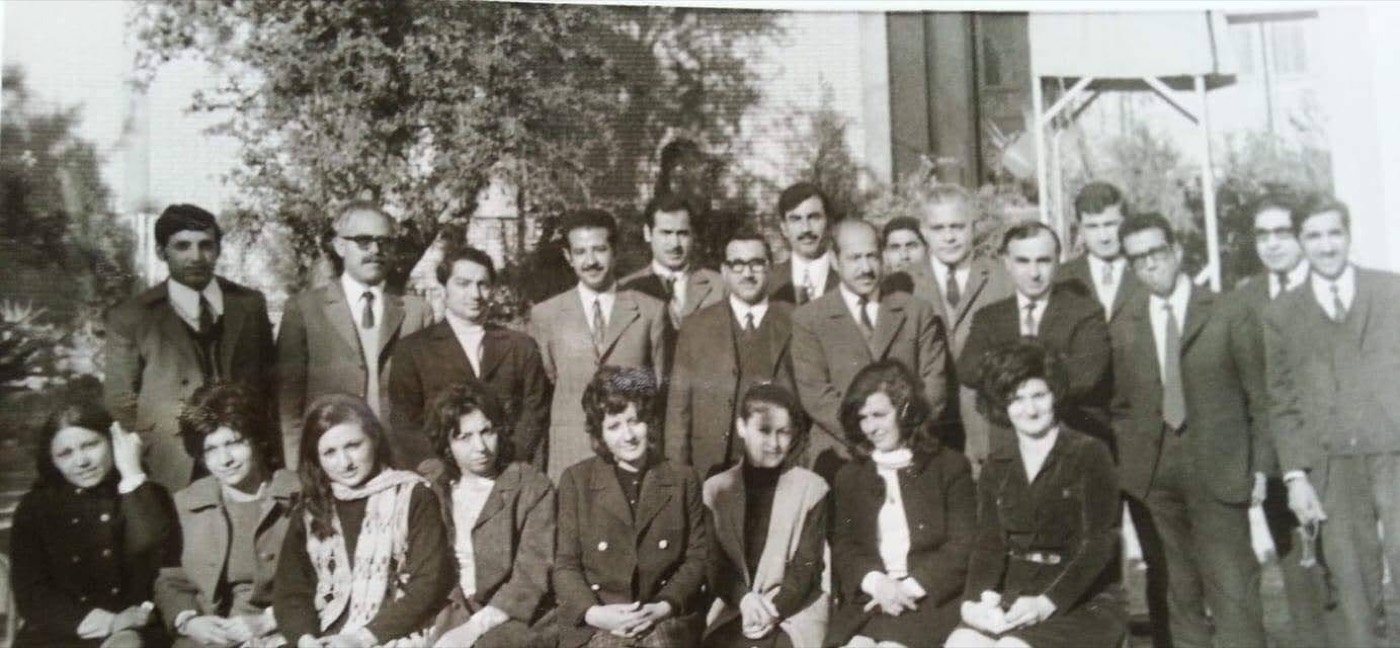
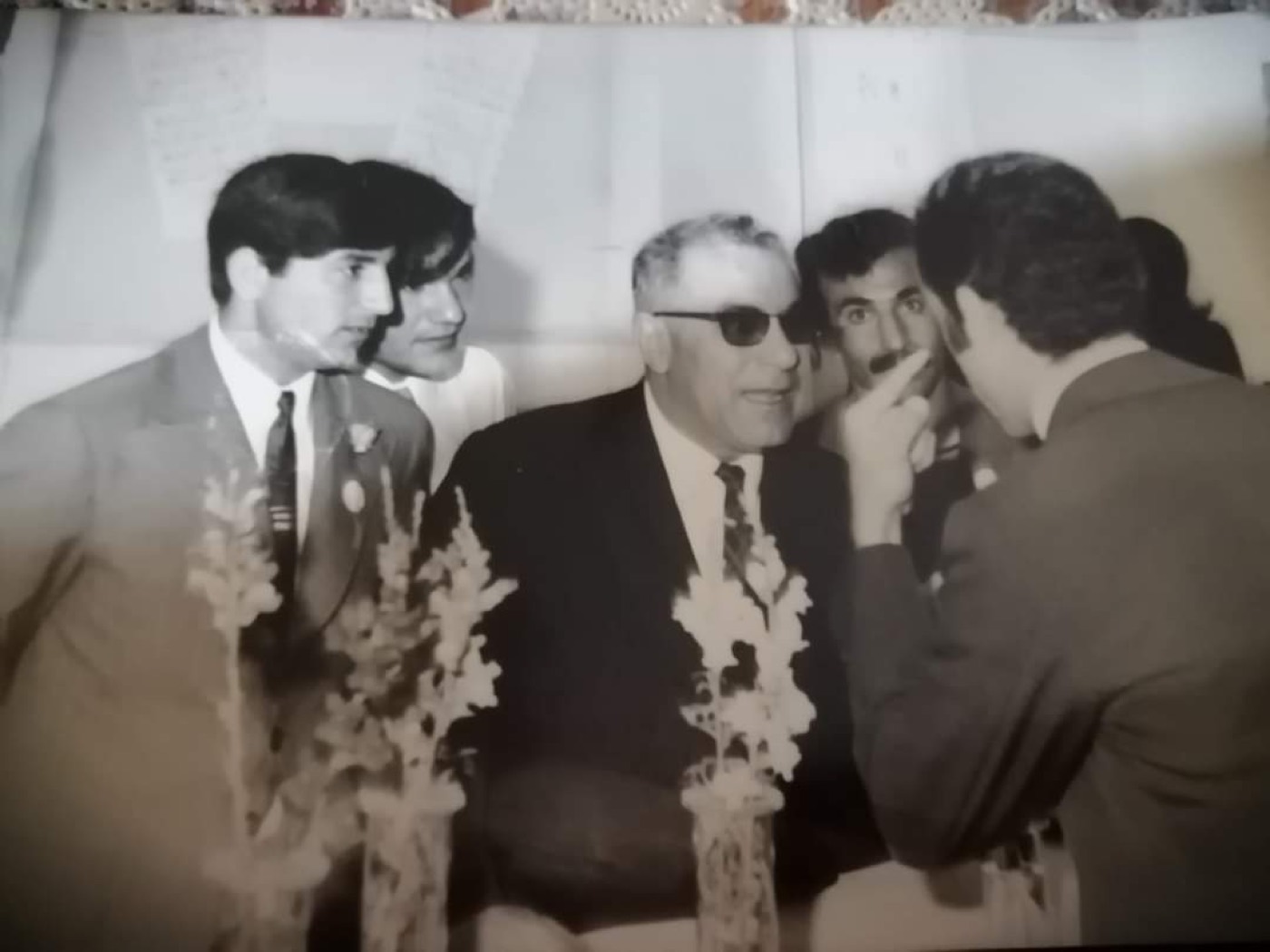
My scientific beginnings were not paved with roses; they were an adventure fraught with risks and exceptional challenges. From my appointment as a teaching assistant at the University of Baghdad, I armed myself with unwavering persistence and determination, immediately conducting two scientific studies early in my career. I remember my first study well, which only saw the light in 1976 and took me on a journey that was not merely an academic mission but a trek to the "Khalah" area in Kurdistan, penetrating the stronghold of the "Peshmerga" to reach a hospital hidden beneath the mountain. That challenging field experience resulted in a study published in the prestigious Annals of Human Biology, becoming the first anthropological study concerned with blood groups among Iraqi Kurds—an achievement I cherish as a cornerstone of my scientific journey. There, in those difficult circumstances, my belief was strengthened that a person has a decision and a destiny.
The Flow of Success at "Queen Mary" and Bags of Beans
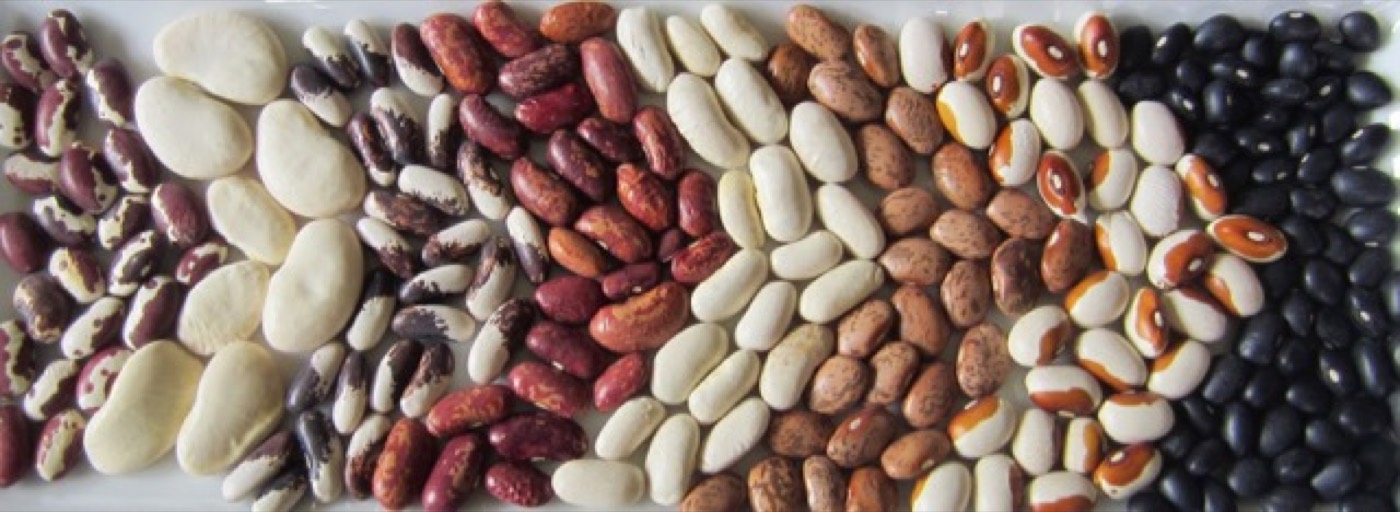
When I moved to study for my doctorate at Queen Mary College, University of London, the flow of scientific achievement began to pour abundantly. My research focus was on studying the effect of ionizing radiation on plants, and I was able to discover rare genes determining high resistance to nuclear radiation. In those days, my Volkswagen car, which I bought from my colleague Raed Fahmi, was my companion, as I traveled weekly to the university farm in the "Egham" area near "Ascot." I remember with a smile how I would bring bags of beans home, and the waves of laughter that rose from my friends as they watched my exaggerated interest in those bags that looked to the onlooker like garbage bags, while I saw them as a genetic 'treasure' of immeasurable value. From those researches and field hybridizations, I succeeded in developing the "Harcot" variety resistant to cold—a remarkable achievement that made the international company "Heinz" contact me and request it by name. I did send the variety to them, but—due to my ignorance at that time of commercial investment mechanisms and the importance of seizing economic opportunities—I did not follow up, letting a valuable opportunity slip through my fingers that could have opened investment horizons, and it remains a lesson in the memory of that period.
The Years of Foundation in Birmingham: When Biology Embraced Engineering
After scientific stops at the University of Garyounis in Libya and then the University of Surrey in Britain, I settled at the University of Birmingham, where I began laying the foundations of my research career within the Department of Chemical Engineering. Initially, I felt a sense of confusion and strangeness, finding myself in an engineering environment whose tools and methodologies differed from what I had been accustomed to in my previous studies. However, the embrace of the academics there and their deep understanding of the essence of my work was the bridge I crossed to develop my research, despite the challenge I faced in attempting to adapt to teaching "Cell Culture" to master's students in Biochemical Engineering.
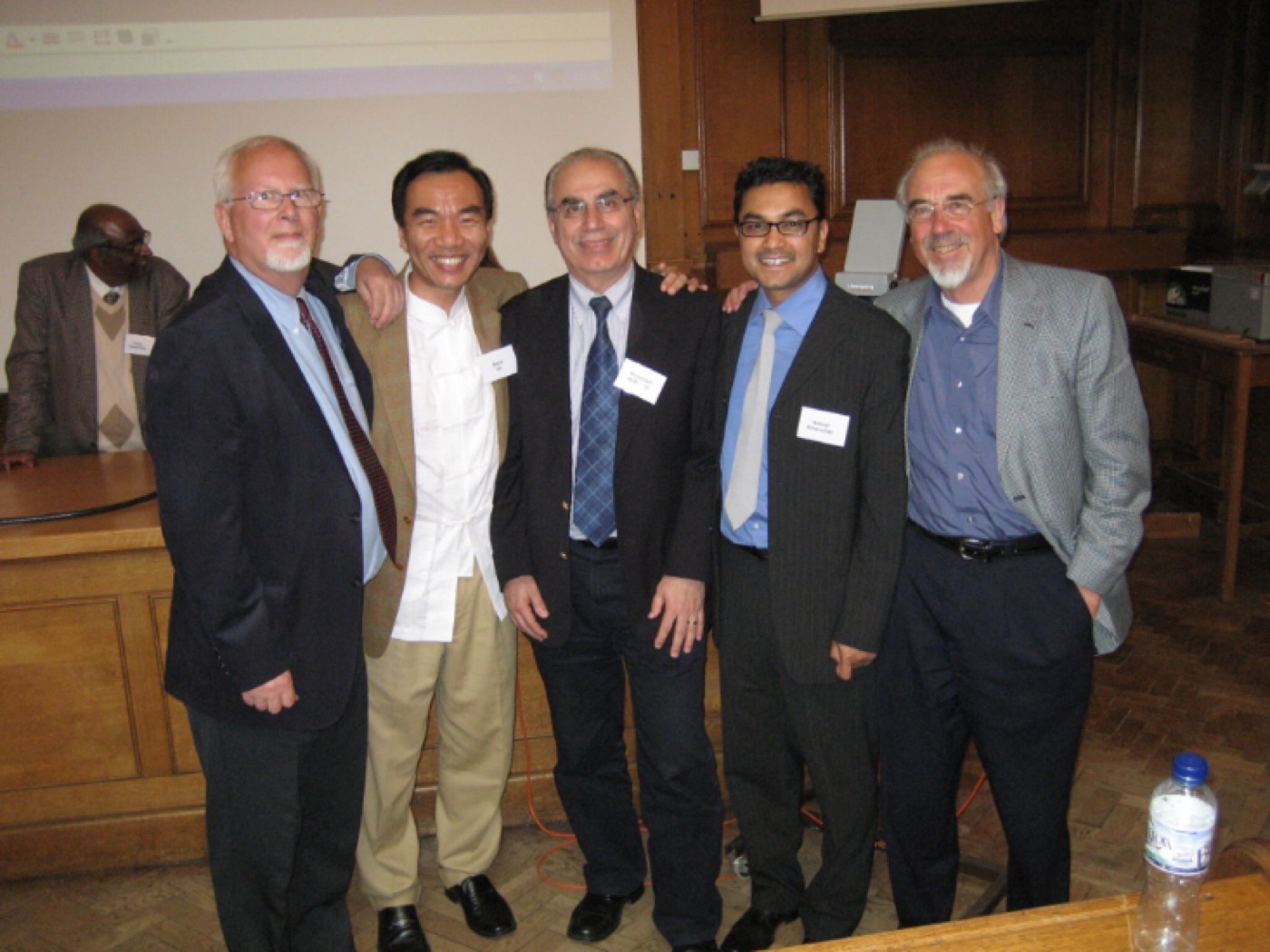
Among the moments that remain fresh in my memory from those early days was my acquaintance with Professor Alvin Nienow, one of the world pioneers in the science of "Mixing." I remember with a smile how I used to privately mock this specialization, wondering with ignorance and intellectual modesty whether mixing was merely a social skill about how to mix with people, unaware that it was a fundamental pillar in the preparation of pharmaceutical, medical, and food materials.
It was one of the wonders of fate that my first research project was in collaboration with Alvin himself. Our work focused on developing a process for mixing components inside bioreactors containing animal cells fed with growth medium. The scientific challenge lay in reaching a design that ensured appropriate distribution allowing cells to obtain sufficient oxygen, while simultaneously protecting them from "shear force" that could lead to their rupture and death. Through this collaboration, we succeeded in developing technical solutions that reduced cell death rates and halted the effects of mechanical stress, ultimately achieving an unprecedented breakthrough in the production of biopharmaceuticals and increasing their efficiency.

Professor Fakhri Al-Bazzaz
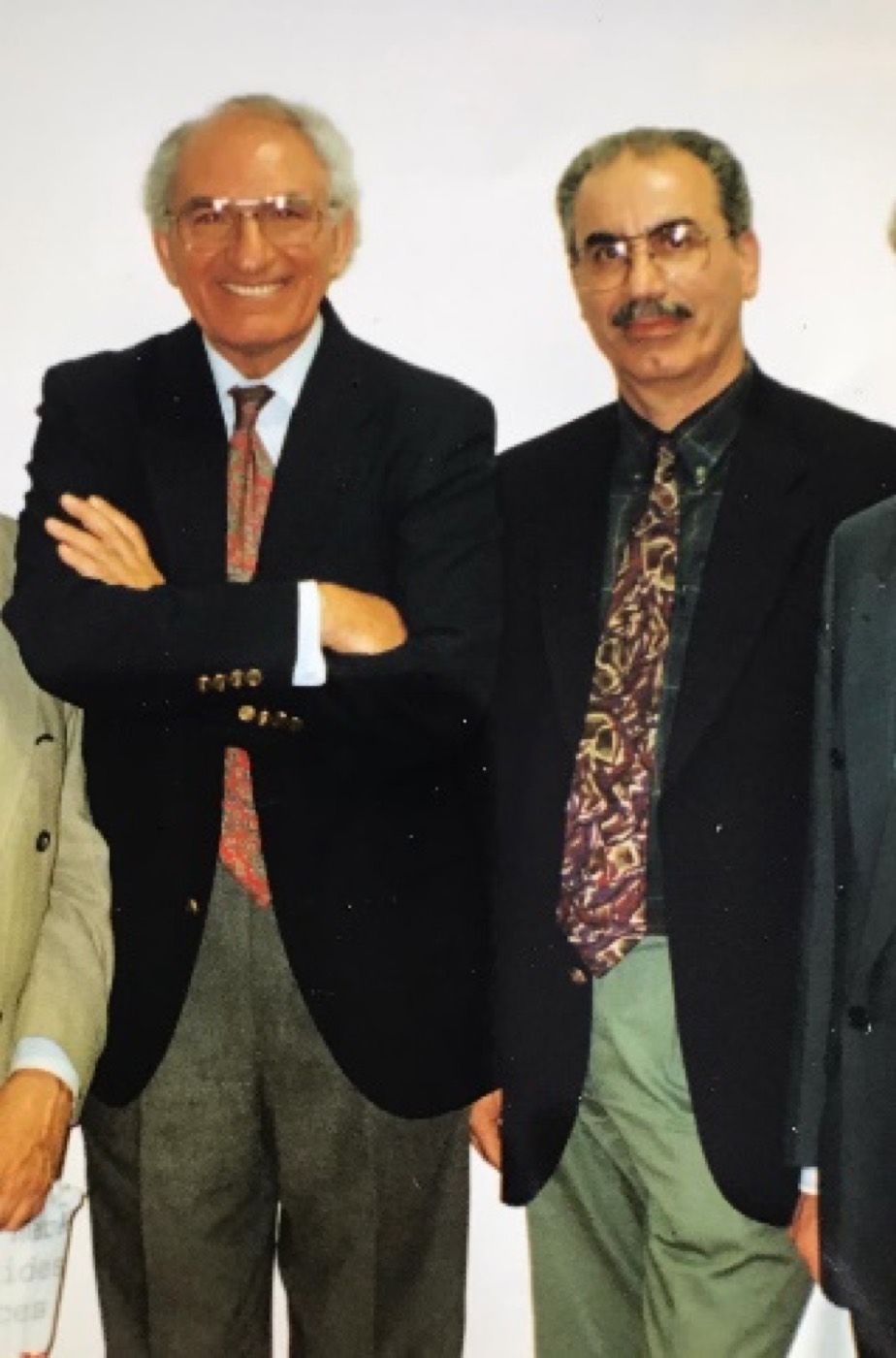
A scientist is not measured only by what he carries in his head, but by those who pass through his life and leave an indelible mark. Among the personalities who deeply shaped my scientific directions was the late Professor Dr. Fakhri Al-Bazzaz, who occupied the chair of Biological Evolution at the prestigious Harvard University.
My acquaintance with him dates back to my first year at the College of Science, University of Baghdad, where he was my professor before leaving Iraq. When I visited him at Harvard for the first time, he did not simply welcome me but took me on a tour that was like a scientific cultural shock. Al-Bazzaz did not boast about his title or position but took me to show me—with pride and appreciation for the university's roots—the offices adjacent to his own, where giants such as James Watson, Thomas Weller, Fritz Lipmann, and Konrad Bloch were working—all Nobel laureates, and they were his daily work neighbors.
At that moment, a deep sense of awe overtook me, and the source of that astonishment was not only the brilliant minds of these individuals but that ancient 'institutional culture' that embraced them and refined their abilities. I realized then, with unshakeable certainty, that major scientific discoveries and human leaps are not merely fleeting flashes of innate genius or pure coincidence, but the mature fruit of an accumulated scientific heritage and rigorous research ethics that accept no compromise. It is the environment that not only provides support but creates an atmosphere that encourages inquiry and cultivates in the researcher the courage to question. There, I saw how research transforms from individual effort into an integrated system where scientific humility nourishes the spirit of innovation, where the individual is not just a researcher but a link in a chain of scientific rigor extending across generations.
Perhaps the story of Fritz Lipmann, which Harvard's records mention, is the best evidence of this. He was once viewed as a man "without a future," but this scientific environment honed his skills and provided him with the means for creativity, leading him to discover one of the most important enzymes in protein synthesis. I learned from Al-Bazzaz that day that a university is not walls, but the factory that turns stumbling attempts into scientific immortality.
My Journey in Cell and Tissue Engineering
Exploring the depths of biopharmaceuticals was always the compass guiding my scientific journey. Over four decades, research in this field was not merely academic work but a passion for exploring hidden depths and contributing to shaping the future of treatment. But this passion did not arise from nowhere; it had roots extending to a pivotal moment at the beginning of my path.
After my direct return from Libya, and spending a short period in a laboratory for molecular biology research and studying the genome of tuberculosis bacteria at the University of Surrey—where I learned the principles of molecular genetics and gene cloning techniques—I found myself at a decisive crossroads. Then came the opportunity that changed the course: Professor Ray Spier, who offered me a research position in his Cell Culture laboratory at the same university. In that laboratory, I found my true calling. That lab was like a scientific home I didn't know I was looking for: an applied subject combining biology—genes, cells, tissues—with biochemical engineering.
My passion for this unique scientific blend stems from its being the true peak of applied science, where the dynamic and variable world of molecular biology meets the precision of engineering rigor and mathematical calculations. The journey begins with genetic engineering, which gives the researcher the ability to rewrite the biological code and direct cells to become microscopic factories, then moves to cell culture, which transforms those microscopic ideas into living organisms growing and multiplying in controlled environments, and finally to the role of chemical engineering, which provides the design frameworks and bioreactors capable of transferring this production from the limited laboratory scale to massive industrial volumes.
This intelligent integration not only breaks the monotony of scientific research with continuous challenges in modeling and supramolecular control, but crowns all this effort with a noble human goal: producing advanced biopharmaceuticals, making the researcher see with his own eyes how dry equations and sensitive cell lines become a real antidote that saves millions of lives and changes their quality of life.
Despite the length of the journey and the breadth of its horizons since those early days with Ray Spier, I always felt that the opportunity was not fully ripe to present the summary of my research in cell culture and biopharmaceutical production development in an integrated manner. Therefore, I find today in recalling these memories—from the TB lab to the cell culture lab, and from gene cloning to bioreactors—a scientific and human necessity, to share with you my first interests, whose spark has never dimmed.
Imagine a world where medicine is not merely static chemical molecules, but a vibrant "life" that interacts with our bodies at the cellular level. This is the essence of biopharmaceuticals—a revolutionary realm opening unprecedented horizons for treating incurable diseases by harnessing and directing the power of nature. Here, science has managed to develop targeted therapies aimed at the very root of illness: imagine a drug aiming its arrows at cancer cells with surgical precision, or proteins reprogramming the immune system to fight our battles against impossible diseases. This is not just a promise; it is the future we are living today.
On this journey, I will take you behind the scenes of research and development laboratories in Birmingham and Dublin, where genetic engineering merged with protein design to innovate "super" drugs. In those laboratories, my constant question was: How do we transform a simple cell into a microscopic "pharmaceutical factory"? And how do we ensure the quality and safety of these complex medicines? The challenges were immense, but they were the fuel that drove us to develop innovative techniques that pushed past conventional boundaries.
The biopharmaceutical industry has witnessed a massive leap, particularly those therapeutics derived from animal cell cultures, which have sparked a true revolution in modern medicine. Within the folds of these memoirs, I will review models of my research that contributed to developing treatments for chronic diseases—perhaps serving as a testament to a golden age of bioengineering.
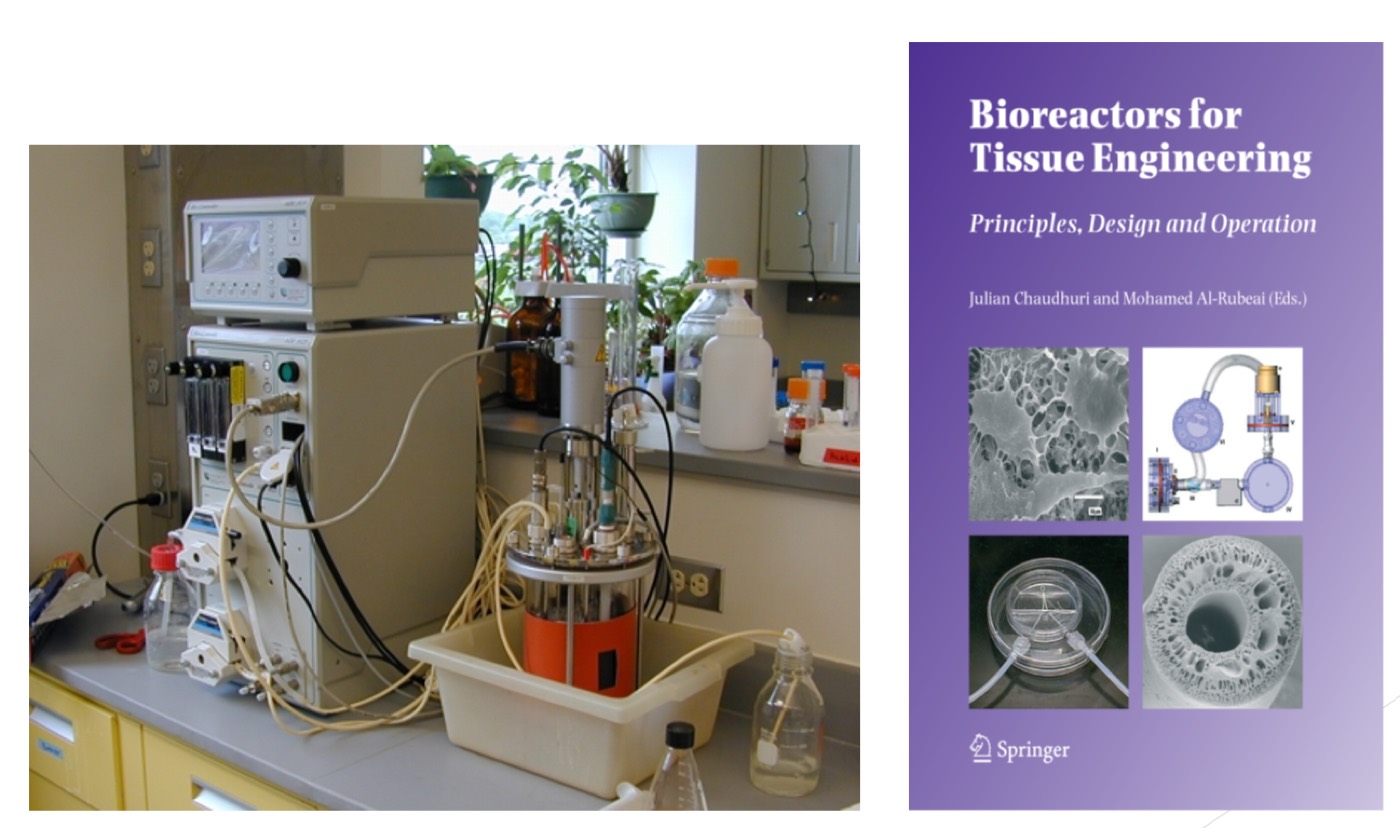
My use of bioreactor technology for pharmaceutical production marked a major turning point in my research career. Thanks to it, I embarked on a broad exploratory journey within the fascinating world of cell and tissue engineering. My work was not limited to a single aspect; my research encompassed cell culture to optimize the production of biomedical proteins, extended into deep investigations of bone and cartilage cells, explored the ex vivo generation of red blood cells, and reached the ultimate challenge of engineering an artificial liver.
At that stage, I was consumed by the challenge of "creating" biological substitutes for organs, much like MIT scientists did when they grew an ear on the back of a mouse—an image that captivated the world and sparked a deep ethical and philosophical debate on the boundaries of science. To me, the bioreactor was the "womb laboratory" that allowed us to mimic the body’s environment and engineer cells to produce life-saving proteins or build replacement tissues. It made me feel that we were standing on the threshold of a new era—one where bodies are not merely repaired with chemical drugs, but rebuilt from the inside out using their own cells.
We developed the device to become the core of an "artificial liver," and at Queen Elizabeth Hospital in Birmingham, we succeeded in keeping liver cells alive and functional. However, at the height of this scientific triumph, I collided with a bitter reality: human tendencies to monopolize glory began to surface. The medical doctors attempted to claim sole credit while marginalizing the role of the bioengineer, reducing him to a mere equipment "technician." Feeling an indescribable bitterness from this professional ingratitude, I chose with dignity to withdraw and end my collaboration with the hospital researchers, setting the entire project aside. Before long, the project stumbled and died due to their lack of funding and loss of an integrated vision. I emerged from that experience with a lesson forged by time: "Pursue achievable goals." Science requires not only brilliant minds, but partners who appreciate the value of integration between medicine and engineering.

An Alternative Path: Genentech's Offer and the Dilemma of Choice
In 1992, I received an invitation to visit the American biotechnology giant Genentech in Silicon Valley—that pioneering institution that laid the foundational rules for genetic engineering and innovative therapeutics. The purpose of the invitation combined delivering a scientific lecture with offering technical expertise and consultation.
The trip began with immense hospitality; from the moment I arrived, a private car was waiting to convey me to the hotel, initiating a series of intensive meetings with the company's executive leadership and an elite group of its researchers. I shared scientific ties and longstanding peer relationships with many of them from past conferences and universities. Following my lecture, which buzzed with deep discussions, one-on-one meetings continued over two days, eventually revealing an unexpected surprise: the invitation was not merely for consultation, but a serious effort to recruit me for a senior scientific position.
The company presented me with an exceptionally tempting offer with financial perks that were hard to turn down, along with a flexibility that granted me 30% of my time to dedicate to my own private research. What impressed me most at the time was their management philosophy—a progressive work environment that involved everyone in decision-making and relied on an internal communication system characterized by absolute transparency.
I returned home weighed down by hesitation. Despite the magnitude of the opportunity, I did not feel a genuine pull toward living in the United States, especially given my deep involvement in political activity at the time, alongside my wife's preference to settle in the United Kingdom for family reasons. After painstaking deliberations and consultations, I decided to decline the offer and remain in my position. Perhaps through that decision I missed a major opportunity for professional and financial advancement, and I still ask myself at times: How might the course of my life have changed had I taken that path?
Ex Vivo Production of Red Blood Cells
In Dublin, I engaged in exciting experiments with the Irish Blood Transfusion Service to produce red blood cells outside the body. My ambition in cell culture did not stop at the boundaries of solid tissue engineering; it extended to cover one of the most complex challenges in modern medicine: the ex vivo production of red blood cells (RBCs). I recognized that this research pathway represented the final hope for so-called "intractable transfusion cases"—patients with extremely rare blood phenotypes, or those suffering from alloimmunization that causes their bodies to reject foreign blood due to repeated transfusions.
The core of my research rested on the concept of personalized medicine: producing blood cells derived from the patient's own stem cells. By stimulating and isolating hematopoietic stem cells and then culturing them inside a bioreactor environment, we guarantee a product identical to the patient, ending the battle with immune rejection.
Our motivation to undertake this laboratory manufacturing was grounded in an urgent scientific and humanitarian reality. The world faces an enormous annual deficit estimated at roughly 40 million units of blood, alongside existential risks surrounding traditional blood transfusion—ranging from the potential transmission of infectious agents like emerging viruses to the short shelf life of stored cells, which does not exceed 35 days.
We were facing a complex engineering and biological dilemma: there was a pressing need to produce massive quantities of cells, as a single unit of blood (500 ml) requires approximately $2 \times 10^{12}$ cells. These biological requirements double in complex clinical cases, such as patients with thalassemia and sickle cell anemia whose lives depend on periodic transfusions, or in major surgical procedures like liver transplants, which alone can consume up to ten full units. Our research was not merely experiments within laboratory walls; it was a relentless pursuit to innovate an integrated "biofactory" capable of meeting this vast demand and saving lives when traditional blood banks fail to answer the call.
In the midst of that research, I did not know at the time that the U.S. Department of Defense (The Pentagon) was also searching for a similar method to produce red blood cells in the lab, albeit for tactical purposes: saving its soldiers. The United States was deeply entangled in its war in Afghanistan at the time, and securing a fast, abundant source of red blood cells represented a lifeline to sustain wounded soldiers until they could be evacuated to military hospitals in Europe or America. They were actively seeking to develop a mobile field device for cell expansion, and my expertise and research provided an ideal foundation they hoped to leverage.
Despite the financial allure of such military-oriented projects, I consistently preferred to direct my research toward purely civilian and humanitarian avenues, opting to continue my collaboration with the Irish Blood Transfusion Service. This decision was driven by the immense interest and unlimited support shown by the scientific director of the bank, my dear friend Dr. William Murphy. He ensured we were provided with all necessary materials, funding, and student grants to guarantee the continuity and excellence of our research.
We focused our joint efforts on decoding the complex hematopoietic system and developing integrated processes (blood cell bioprocessing) capable of mimicking the natural bone marrow environment and overcoming quantitative production bottlenecks. The fruits of this collaboration materialized in a series of benchmark studies we published. In a pivotal 2009 study, we demonstrated the promising potential of using human peripheral blood-derived CD34+ stem cells as a fundamental platform for ex vivo red blood cell production.
Our research was not confined to biological aspects alone; it extended to the precision engineering of the manufacturing environment. We discovered that increasing cell density during the late stages of erythropoiesis effectively contributed to enhancing cell viability and sustainability. We also thoroughly investigated the impact of physical factors, proving that mild agitation inside bioreactors plays a crucial role in laboratory red blood cell development.
To impart mathematical rigor to these processes, we established an innovative computational framework determining optimal conditions for expanding erythroid progenitors in monolayer cultures, paving the way to transition from the bench to industrial production. This long journey culminated in a comprehensive book chapter on cell engineering, co-edited with my wife, Dr. Mariam Al-Naceri, in which we reviewed the current and future state of laboratory blood production. These scientific papers were more than academic achievements—they were real building blocks in constructing a path aimed at providing safe, sustainable alternatives to save lives and end the era of shortages in traditional blood supplies.
The Business Shock and the Lesson: "Money Isn't Everything"
In my laboratory, we tackled a scientific challenge that seemed akin to finding a needle in a haystack: how to select high-producing cells for medical proteins from among millions of cells that yield only negligible or standard amounts. We created a pioneering method utilizing flow cytometry and cell sorting. The idea was brilliant in its simplicity and technical execution: we used a biotin-binding protein bridge to link the cell surface—coated with secreted antibodies—allowing us to distinguish and isolate these "factory" cells with extreme precision.
At the time, I tried to convince the university of the importance of patenting this innovation, but I was met with cold indifference regarding its commercial viability. Faced with this barrier, I decided to publish the research to share the scientific benefit broadly. The PhD student I was supervising acted as the primary executive driver for this project. Following his graduation, he was hired by a major pharmaceutical company producing therapeutic proteins, where an unexpected event unfolded.
I was shocked to learn that the company introduced a cell selection system built entirely on the discovery we had developed in our laboratory. With sharp commercial cunning, they modified just a single molecule in the chemical formulation—a molecule we knew well and used, but saw no scientific need to explicitly mention in the detailed published paper. This slight alteration legally allowed them to patent the methodology as their own "improvement" upon our innovation.
It was a bitter pill to swallow, seeing my efforts and those of my lab harvested financially and reputedly by a major corporation, while I was deprived of basic intellectual property rights due to that legal maneuver. Nevertheless, I extracted a profound third lesson from this experience: Money isn't everything. Despite the loss of financial reward, the scientific value and research leadership remain etched in the history of science as a mark no commercial "improvement" can erase. The world knows with certainty where the core idea originated and who laid the foundation stone.

The Dance of Death and Cellular Immortality
From the late 1980s until my retirement, apoptosis—or programmed cell death—was my greatest passion. This "deliberate suicide" of the cell, which grants life to the organism, is the secret of existence. I recall the images of cancer cells captured by my talented Iraqi student, Rasul Al-Majmaie; it was a "dance of death," beautiful and terrifying like an abstract painting.
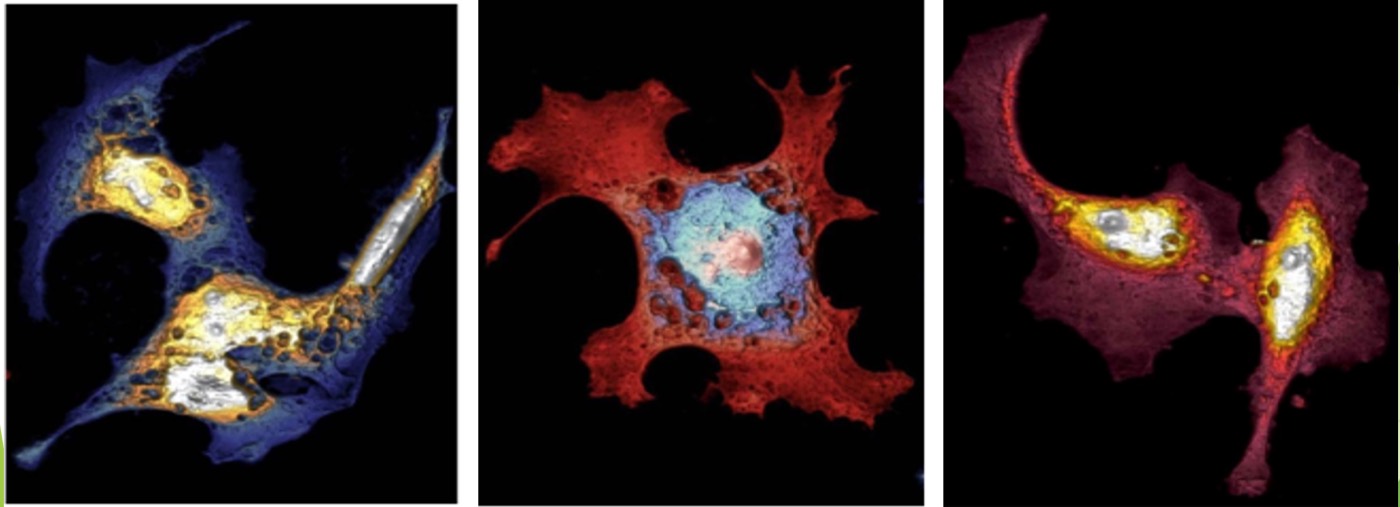
Apoptosis stands as one of the scientific milestones that consumed my research passion for over two decades, specifically since 1990, yielding dozens of research papers and patents. The term in its original Greek roots implies "falling off," like leaves falling from trees in autumn—a precise description of an organized, genetically regulated process of "cellular suicide." The cell activates protein pathways that end its life without causing chaos or inflammation in surrounding tissues. The essence of our survival depends on the death of certain cells: eliminating damaged or senescent cells is essential to maintain tissue homeostasis. The grandeur of this process is evident in embryonic development; were it not for the elimination of interdigital cells via apoptosis, humans would be born with webbed limbs like ducks. However, this balance is delicate; any dysfunction in its mechanisms leads to health catastrophes. The failure of apoptosis to eliminate damaged cells feeds cancer growth, whereas excessive cell death leads to neurodegenerative diseases like Parkinson's and Alzheimer's.
Two complex molecular mechanisms control this process to ensure precise cell elimination. The first, the "extrinsic pathway," begins when the cell receives death signals from its surrounding environment via the binding of specific signaling molecules to specialized cell surface receptors known as death receptors. These receptors transmit the signal to activate a cascade of internal proteins, ultimately leading to the activation of caspase-8, which sparks the execution of cellular suicide. The second pathway is the "intrinsic pathway," which originates from within the cell itself in response to environmental stress or severe damage, such as DNA damage or hypoxia. Here, the Bcl-2 protein family serves as the crucial scale balancing pro-apoptotic and anti-apoptotic proteins. In this pathway, pro-death proteins migrate to the mitochondrial membrane and permeabilize it, releasing cytochrome c into the cytosol to form the apoptosome complex, which in turn activates the caspase cascade to destroy the cell from within under the tight regulation of the p53 tumor suppressor protein.
I remember well that this concept was not easily accepted initially. In the early 1990s, the academic consensus in chemical engineering tended to interpret cell death in bioreactors as a purely "mechanical accident" resulting from shear stress or nutrient depletion. At one conference, I faced public skepticism when told with supreme confidence: "Mohamed, you are trying to force biological complexities into a simple engineering process; cells die because the reactor grinds them up!"
My response was not theoretical; it was a decisive laboratory proof. I returned to Birmingham, and we engineered cells carrying the anti-death Bcl-2 gene, proving to the world that they remained viable and produced efficiently under the exact same conditions that were "grinding" others. That moment was the birth certificate of our new discipline, as we transitioned from being viewed as "machine operators" to "interrogators of the genetic code." From there, the Birmingham school emerged as the primary global reference for studying programmed cell death in the bioprocess industry, and the world realized that genetic engineering was the "key" to closing the door to death and opening horizons to productive immortality.
During that period, most of my focus was directed toward inserting anti-apoptotic, longevity-extending, and proliferation-promoting genes. We played with them, inserting them individually and in combination to observe their effects on cultured cells and their medical protein output. It was an extraordinarily fruitful and rewarding period; in the mid-1990s, I noted—as mentioned previously—that apoptosis-targeted therapeutics would be the "next big thing" in the biotechnology world.
I harnessed this understanding to achieve innovative applied breakthroughs in genetic cell engineering by manipulating genes governing programmed cell death to markedly prolong cell lifespan. Indeed, our subsequent research demonstrated how overexpressing a gene like bcl-2 could dramatically enhance cell survival and resistance to biological stress within bioreactors, despite variations in its functions depending on microenvironmental conditions. Our work did not pause at single genes; we pushed toward the co-expression of multiple genes simultaneously, combining the growth gene c-myc with the protective gene bcl-2 in CHO cells, and culminating in the introduction of the telomerase gene (hTERT) in CHO cells. We proved how this collective gene overexpression curbed cell death, reduced serum dependence, and rendered cells independent of anchorage requirements, thereby driving biomanufacturing efficiency in cultures and bioreactors to unprecedented heights.
My achievements also encompassed strategies to mitigate environmental and operational stressors, such as oxygen deprivation, pH drops, or metabolic waste accumulation. At the height of these experiments, we made an exciting scientific discovery by proving for the first time that telomeric sequences could be localized interstitially within chromosomes, rather than strictly at the ends. Furthermore, we investigated cell cycle regulation and its relationship to productivity by studying genes such as p21CIP1 to decouple cell growth from division, paying close attention to the metabolic shifts accompanying these processes.
Later, however, the most critical paradigm shift in our journey occurred: my focus transitioned from that empirical, trial-and-error approach of gene insertion to the realm of precision, targeted systems engineering. Our drive was rooted in an expanding interest in genomics and genome sequencing, which was then in its infancy. In the absence of a complete reference genome for those cells at the time, inserting target genes occurred randomly across chromosomes, frequently resulting in vast expression variability or gene silencing over time.
This challenge eventually led us to adopt functional genomics and "omics" tools, conducting comprehensive genomic profiling of antibody-producing cells under various operational bioreactor conditions. Understanding the cell genome sequence and utilizing omics tools helped us transform cultured cell biology from a "black box" into a clear, readable, and editable software system—making it the cornerstone today supporting over 70% of modern biopharmaceutical production.
It was an exhausting journey carried out under immense scientific and psychological pressure, but it refined my character and taught me another lesson: Keep cool under pressure. In the tranquility of the mind lies the ability to decode nature's most complex ciphers. Our understanding of these mechanisms is the bedrock of future therapeutics; despite identifying key proteins, the exact molecular mechanisms still hold many secrets, making apoptosis research one of the most promising avenues for medical breakthroughs in the coming decade.

Major Funding and the Global Stage
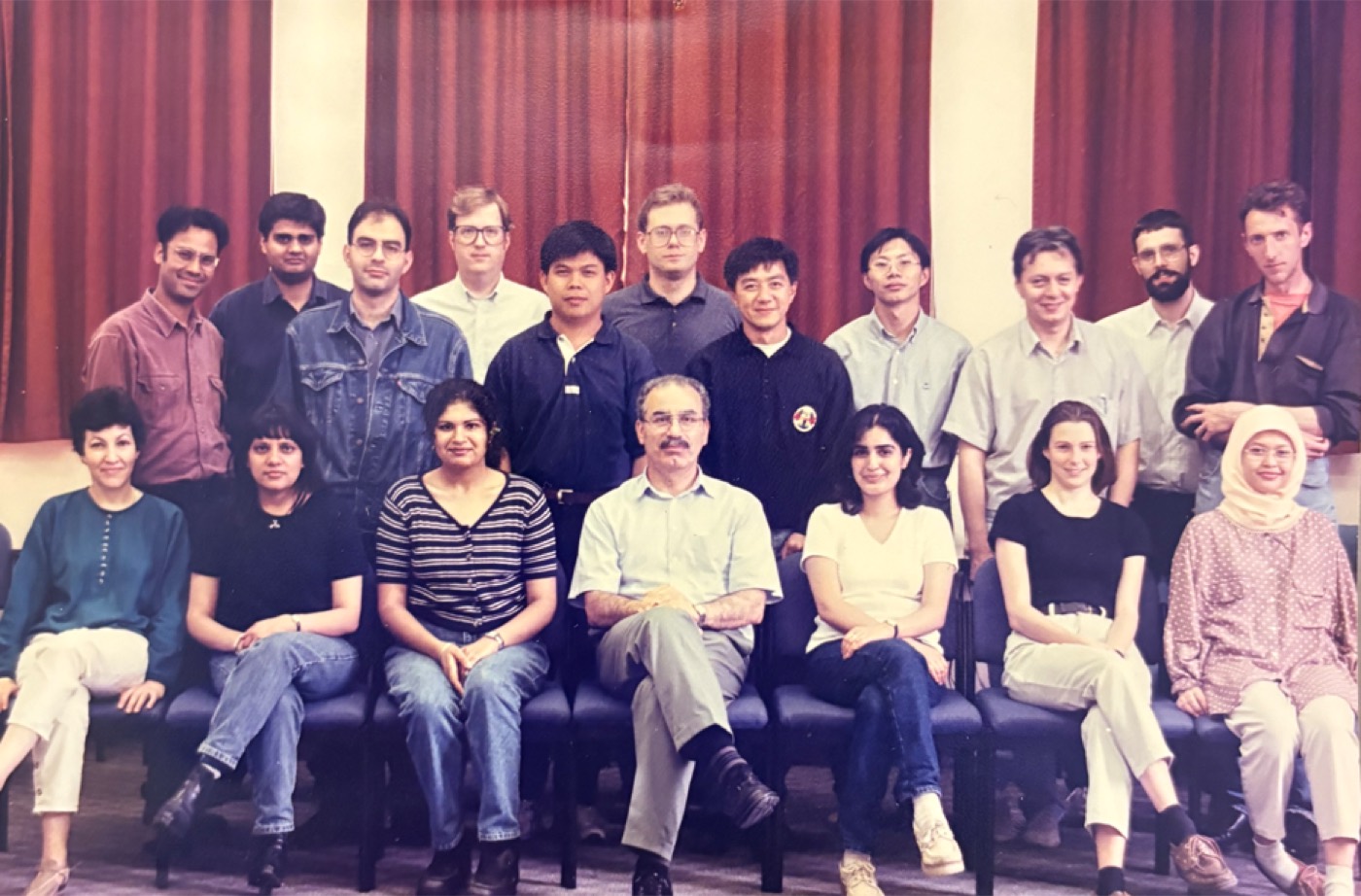
In the mid-1990s, specifically in 1996, came the major surprise that placed my research on a global stage: the European Union awarded me a massive multi-million-euro grant to lead a project uniting five European universities and a major company specializing in biopharmaceutical production. The project revolved around cell death and its applications in prolonging cultured cell lifespan to boost therapeutic protein yields. It was rightly considered one of the most significant biotechnology projects funded and sponsored by the European Union, followed by a special honor awarded to me by the European Commission.
Four fruitful years of work yielded qualitative discoveries and a wealth of research papers, solidifying my global presence and impact, and granting me firm recognition for the efforts invested in bolstering European biotechnology and achieving breakthroughs in cell engineering. This journey also expanded my network of relationships with scientific luminaries across Europe and America, opening doors to travel to various universities worldwide through invitations from first- and third-world nations alike.
Between the Sanctuary of Science and the Pulse of the World
I thoroughly enjoyed those travels, particularly to cities and countries I previously knew only as faint spots on a map. They expanded my horizons and culture, allowing me to experience the heritage and geography of diverse peoples. Yet despite this richness, a quiet feeling of shortcoming lingered regarding my exploration of those capitals; science was always my primary compass, and the host university or institution was my main sanctuary. Hours dissolved into deep scientific dialogues with peers, leaving us to capture only rare glimpses of sightseeing as time permitted.
Today, as memories sweep through me, it sometimes pains me that I did not fully immerse myself in the charms of those cities as I should have. Yet they left indelible marks on my soul and vivid scenes that refuse to fade:
- In Hiroshima, Japan: Standing in silence before the Hiroshima Peace Memorial Park and the Atomic Bomb Dome, where human memory blends with the resilience of life amid a solemn atmosphere inviting contemplation on the value of peace and overcoming historical tragedies.
- In South Korea: Experiencing traditional Korean BBQ wrapped in lettuce and sesame leaves with spicy ssamjang sauce amidst the warmth of a bustling local market.
- In Shanghai, China: Standing on The Bund at sunset, with classical European architecture behind you and a forest of skyscrapers across the Huangpu River, followed by steaming xiao long bao dumplings in an ancient alleyway.
- In Buenos Aires, Argentina: Sitting in an alley in the historic San Telmo neighborhood, watching spontaneous street tango dancers move to the soulful notes of the accordion.
- In Cuba: Sipping an authentic Mojito in Ernest Hemingway’s bar and enjoying a plate of ropa vieja after touring in an open-top classic car from the 1950s.
- In Lahore, Pakistan: Contemplating the massive Badshahi Mosque, crafted from red sandstone with white domes against the sunset horizon.
- In Singapore: Tasting Hainanese chicken rice at Hawker Centres that blend Asian cultures, then strolling down Arab Street in the Kampong Glam district beneath the glittering golden dome of the Sultan Mosque.
- In San Diego, California: Watching the sunset from the La Jolla cliffs as waves gently lap against the rocks in serene beauty.
- In Sydney, Australia: Walking at night beneath red Chinese lanterns strung across vibrant Dixon Street amidst lively night markets.
- On the Argentina-Brazil Border: Standing on walkways facing Iguazu Falls, enveloped by the roar of water and flying mist in the heart of virgin rainforests.
- In the Algarve, Portugal: Taking in breathtaking views of golden Atlantic beaches and rocky cliffs meeting the sea horizon in an eternal canvas—where I experienced supreme hospitality, care, and celebration (perhaps because I was the organizer and conference chairman!).
- In China and Japan: Slurping noodle soup directly from the bowl in a local eatery—where making a slurping sound signifies appreciation and enjoyment of a delicious meal, unlike our customs where it is considered improper behavior.
- Across the Malaysia-Singapore Border: Experiencing not merely a conventional border crossing, but one of the busiest economic and human arteries on Earth. In the early morning hours, the "motorcycle epic" begins as thousands of Malaysian workers cross daily into Singapore for work and return in the evening—a scene embodying human patience and commitment as thousands endure early wake-ups, harsh weather, and daily congestion to secure a livelihood.
- In Delhi, India: Walking crowded sidewalks to observe thousands of roadside barbers using a mirror hung on a tree and traditional razors to serve clients amid dust and pedestrian traffic. Noticing makeshift open-air clinics for eye exams, mattress re-stuffing, or traditional ear cleaning. The traffic is not just cars, but a moving sea of auto-rickshaws (the tok-tok of Iraq) and motorcycles filling every inch of the street. And enjoying crispy pani puri (or gulgappa) stuffed with potatoes, chickpeas, spices, and sour tamarind water, eaten in a single explosive, delightful bite.
- In Boston, United States: Dining on seafood at Legal Sea Foods - Harborside, one of America’s premier seafood establishments, stretching along the harbor with panoramic water views. I recommend the clam chowder and lobster. The experience brought back memories of the distinctive seafood dishes and chowder at Johnnie Fox’s Pub outside Dublin, despite the contrast in character between the two venues.
And many other scenes and experiences remain quietly illuminating the shadows of memory and the years ahead.
Clash of Minds and the Scientific Priority Race
In laboratory corridors and behind the scenes of research papers, a silent, fierce conflict unfolds—one centered on ideas and priority. Throughout my scientific career, funding remained a ghost chasing ambition; it is the primary engine of discovery, without which minds stand helpless at the doorstep of experimentation.
We attended scientific conferences driven by the hope of receiving recognition, constructive critique, or forging collaborative ties with colleagues while keeping pace with scientific progress. Yet behind their calm façade, conferences were fertile ground for generating new ideas that sparked curiosity. I thoroughly enjoyed this intellectual cross-pollination—giving and receiving—especially when proposing an innovative idea or novel technique to resolve a technical challenge. I did so while still in the early execution stages or amidst strenuous efforts to secure funding to breathe life into the research.
Yet this academic nobility carried a darker side.
How often did I find that another researcher—possessing a better-equipped laboratory and greater financial resources—had picked up an idea shared in casual discussion and initiated work on it at a speed far exceeding my capacity, only for me to wake up later to the shock that they had beaten me to execution! The idea was originally mine (or so I believed), but the absence of documentation renders claiming it an exercise in futility; science does not recognize monopolies on ideas—priority belongs to whoever documents it first. The paradox here is that I always firmly believed that an idea not shared or considered by multiple researchers might not be valid or valuable; yet I realized late that the danger of this belief lies in the fact that sharing it can rob you of it before you prove its validity yourself.
I experienced compelling stories with brilliant peers, and we were all—in one way or another—seizing opportunities to catch a spark of inspiration. It worried me greatly that my ideas might be appropriated before seeing the light of day, and it pained me whenever someone beat me to publishing research we were on the verge of submitting to a journal.
Amidst this race, I noticed a curious phenomenon that long puzzled me: publishing specifically in American journals grants research wider reach, prompting American researchers to cite it with a frequency incomparable to others. To this day, I find no definitive explanation for this citation bias: Is it the magic of "priority," the weight of the journal, or an unknown psychological factor inherent to researchers there?
As for the incident that shook my convictions and reshaped my understanding of publishing dynamics: it began when I presented preliminary findings of ideas at a scientific forum, unaware at the time of how competitive they were. Shortly thereafter, I received a request from an editor at the prestigious journal Nature to review a new manuscript. To my utter astonishment, I found before me a paper containing details nearly identical to what was occurring behind closed doors in our laboratory! The paper was submitted by a researcher with whom I shared a close relationship. In all scientific integrity, the work was of exceptional quality; thus, I did not hesitate to recommend its publication and praise it, despite knowing this decision meant relegating our own results to a "back seat" in significance. On that day, the golden rule became clear to me: In the world of science, it is not enough to discover; you must print first. Publication is the only recognized deed of ownership.
That incident forced me to look at things through a deeper lens: waiting too long for results to "ripen" or completing long-term trials can rob you of a lifetime's work in a moment. This is why today you see a flood of brief, incomplete papers published under the pressure of urgency, acting as mere reservations for priority.
It is the racing fever that has become the defining hallmark of our academic world today. Inevitably, money is not always the driver; rather, it is that overwhelming human longing for "fame" and etching one's name in the ledger of immortals... that is the true fuel of discovery and scientific publication.